
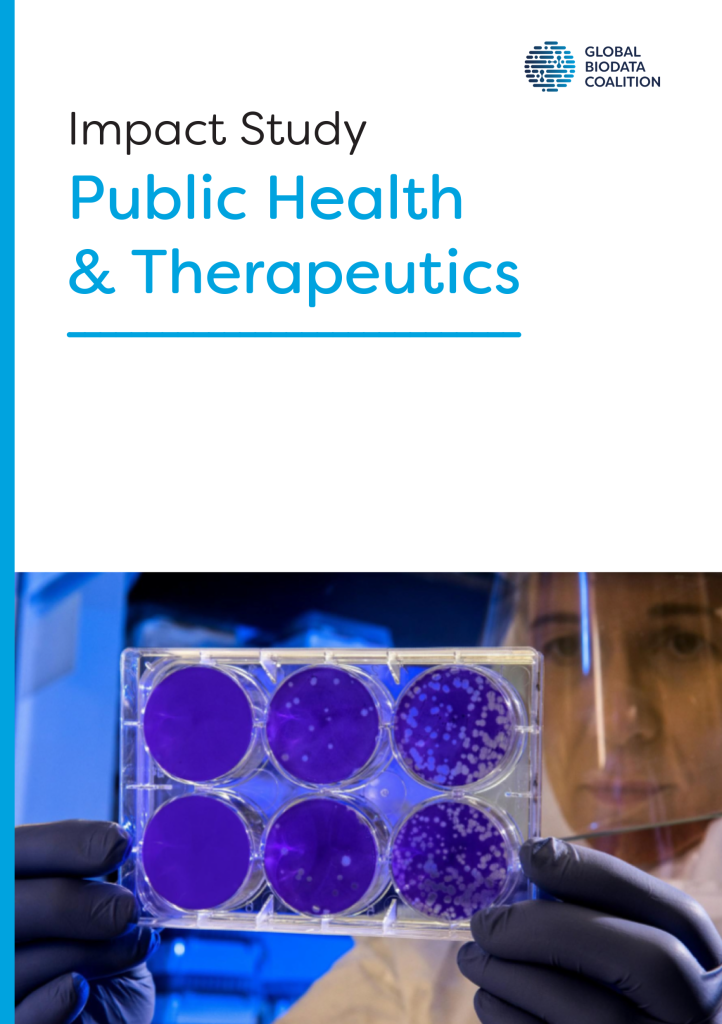
Biodata resources are playing a crucial role in addressing global health challenges by accelerating research, enhancing public health responses, and supporting the discovery of new therapeutics. These platforms integrate diverse data types to provide a comprehensive understanding of disease mechanisms and are helping to enable precision medicine strategies.
One of the key examples of this is the COVID-19 Data Portal, launched in April 2020 as part of the European COVID-19 Data Platform. By providing access to genomic, protein, and microscopy data, the portal played a vital role during the pandemic, helping pharmaceutical companies and health organisations track and analyse COVID-19’s spread and the effectiveness of vaccination programmes. The platform has since expanded to include data on other pathogens, such as monkeypox, showing its potential for future pandemic preparedness.
Similarly, EnteroBase, a genome database for bacterial pathogens, has been instrumental in investigating outbreaks. For example, during a Salmonella outbreak in France, EnteroBase’s tools helped researchers compare genome sequences from various outbreaks across Europe, ultimately tracing the source to a contaminated infant formula..
Biodata resources also support drug discovery. The Protein Data Bank (PDB) was central to the development of breakthrough cancer treatments like Selinexor and Sotorasib. PDB’s structural data on proteins such as XPO1 and KRAS guided researchers in designing drugs to treat multiple myeloma and non-small cell lung cancer.
These examples highlight the transformative impact of biodata resources in tackling public health crises and developing new treatments. Continued and coordinated investment in such resources is critical for advancing global health outcomes and ensuring preparedness for future public health emergencies.